Jaguar XJ40
Production: 10/08/1986 - 10/1994
Production Type: Mass Production
Produced: 208706
Jaguar XJ40 is an all-new, second-generation XJ saloon that replaced the long-running Series III and became Jaguar's core model through the late 1980s and early 1990s.
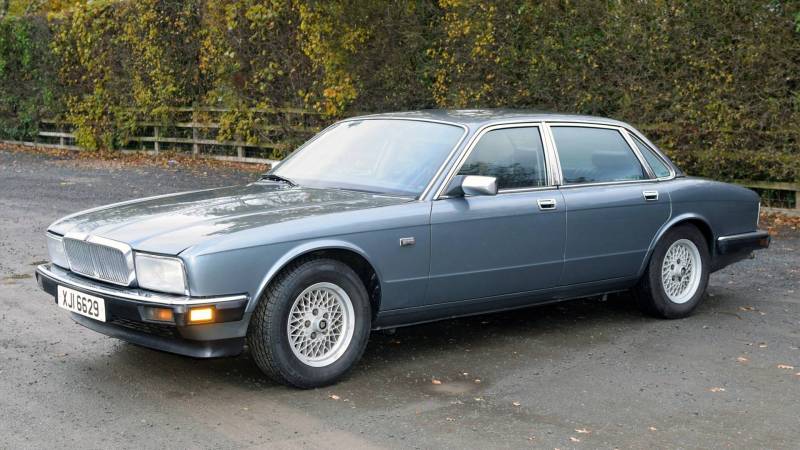
About Jaguar XJ40
The Jaguar XJ40 is a full-size luxury sedan which was officially unveiled on 8 October 1986 as an all-new, second generation of the XJ to replace the Series III. The XJ40 used the Jaguar independent rear suspension arrangement, and featured a number of technological enhancements, such as electronic instrument cluster etc. The 1993 XJ6 earned the title of "Safest Car in Britain" as the result of a government survey. The XJ40 and its later derivatives, is to date, the second longest running Jaguar XJ platform with a total production run of 17 years.
Jaguar XJ40 Overview
The AJ6 engine family was progressively enlarged through the car’s life. In 1990 the original 3.6-litre DOHC unit was stroked out to 4.0 litres for extra torque, and in 1991 the entry-level 2.9-litre SOHC engine was replaced by a 3.2-litre DOHC version sharing the 4.0’s architecture. In 1993 the range was widened further with the reintroduction of a 6.0-litre V12, and in 1994 sportier XJ6 Sport and XJ6 Gold derivatives were added alongside a small run of long-wheelbase Majestic models.
Jaguar XJ40 Technical Specification
All six-cylinder units were of the aluminium-block, aluminium-head AJ6 family, with Lucas (later Bosch, on the 2.9) electronic fuel injection and Lucas engine management; the V12, carried over from the Series III, used a single overhead camshaft per bank and its own Lucas injection system.
Jaguar XJ40 Models
Jaguar XJ6
Entry-level saloon, offered through the model’s life with the 2.9/3.2-litre and 3.6/4.0-litre straight-six engines.
Jaguar Sovereign / Daimler
Higher-specification trims of the same saloon with additional equipment; the Daimler name carried its own grille and badging and, once the V12 arrived in 1993, was also offered as the Daimler Double Six.
Jaguar XJR
Sport-oriented derivative developed with JaguarSport/TWR from 1988, based on the 3.6-litre six with revised suspension and trim.
Daimler Majestic
Small run of long-wheelbase saloons on a stretched platform, aimed at chauffeur-driven use.
Jaguar XJ12 / Daimler Double Six (XJ81)
V12-engined derivative introduced in 1993 once the engine bay was re-engineered to accept the 6.0-litre unit, sold alongside the six-cylinder range until the end of production.
Jaguar XJ40 Photogallery
People: Alex Michaelides